
Character-istic Failings
September 15, 2024 / K.I.S.
I’ve been thinking a lot about characterisation (particularly from an author’s perspective) over the past two week – the reason being that I had a dream where the basic premise of a time-travel story played out like an immersive film, and when I woke up, I became obsessed with plotting the book that I will write based on this very vivid dream.
Now, this isn’t the entire reason for my obsession with characterisation (as you may notice, my reasoning thus far seems quite tenuous), but it was during my initial plotting phase that I began to ponder the nature of characterisation, particularly when I needed to decide on the “main” nature of each of my characters.
Thus, upon considering the distilled trait that defines their character at its deepest level, and around which I would later construct their little idiosyncrasies and habits to form the whole.
This set to me to thinking about my character-building process while initially planning (and eventually writing, then finally editing) my own stories – and consider whether it is somehow rooted in my experiences and preferences as a reader.
I am definitely a sucker for a highly developed character, even with regard to secondary or peripheral characters, and this shows in my personal fantasy favourites.
Robin Hobbs’ Farseer Trilogy, Trudi Canavan’s Black Magician Trilogy, and Mary E. Pearson’s Dance of Thieves Duology are all examples of extensive character development and enhancement (not to mention world-building, but that’s for another blog post).
On a side-(yet somewhat relevant) note: I was quite amused when I recently read a book blogger’s review of Robin Hobbs’ Farseer Trilogy. They describe Hobbs’ intense investment in characterisation (and commitment to putting all the elements and events that have formed a character into her book) as being a potential negative for some readers.
Um… Sorry? What?!
It did not compute for a moment, because – within my frame of reference – there’s no such thing. Too much characterisation, you say? Pffft. Not if it’s well done, my good man!
To me, most fantasy authors fall short when it comes to believable personalities because there isn’t enough justification for their actions without the crucial character background being provided. Yet, the very delectable detail with which Hobbs fills out every personality in her purview is what makes her such a wonderful author to read.
Then the penny finally dropped that, at least as far as this reviewer was concerned, characterisation was perhaps not as central to their reading experience as it is to mine. And that’s absolutely fine – we all have different reading tastes. However, well-rounded characters definitely play a significant role in whether I consider a fantasy well-written or not – and that preoccupation with characterisation definitely shows in my own writing.
I realised that I tend to choose an overarching concept as the core of my character’s being – an archetype, if you will – and then expand on it during my writing process. A skeleton to hang the flesh on, if you’ll forgive the pun, or if you’re more romantically inclined: a soul that I later enshrine in the flesh of their quirks.
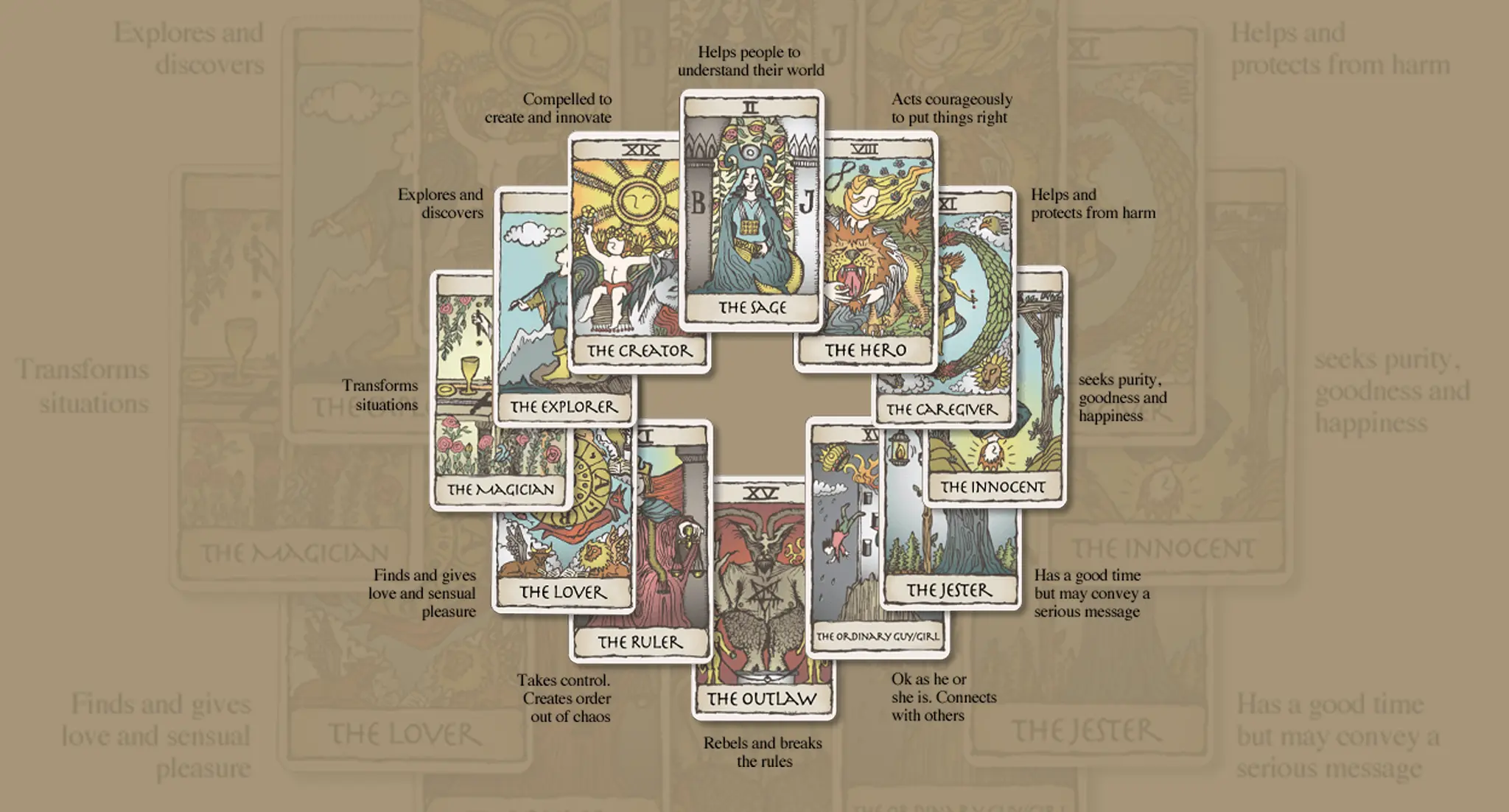
This, in turn, took me down the rabbit-hole of literary character archetypes, because I genuinely believe the entire concept thereof is a representation of what all authors subconsciously do when dreaming up a character – they start with a ‘basic’ idea of the kind of person they want in their story, and then expand upon that main ideation (some more successfully than others, I might say).
I started overthinking my process for characterisation, and how one can class different characters (because, just like most humans, I love me a good classification system). Enter: literary archetypes, which I will share here and explain to the best of my abilities.
Naturally, most characters, once fleshed out, would display traits that fall within several archetypes, however, the main aim is to identify the very essence of each, as well as the role they play within the framework of the story. Some characters (*ahem*, Luna Lovegood) can still be identified as more than one archetype, but then you just have to pick which suits your purposes best.
| Archetype | Description | Strengths | Weaknesses |
|---|---|---|---|
| The Hero | The protagonist who rises to meet a challenge and saves the day. | courageous, perseverant, honourable | overconfident, full of hubris |
| The Lover | The romantic lead who follows their heart. | empathetic, passionate, full of conviction | naive, irrational |
| The Explorer | Someone driven to explore the unknown and challenge the status quo. | curious, driven, motivated by self-improvement | restless, unreliable, never content |
| The Outlaw | The rebel who refuses to follow society’s norms. | independent-minded, virtuous, self-reliant | self-involved, potentially criminal |
| The Jester | A humorous trickster providing comic relief and insight. | funny, disarming, insightful | obnoxious, cruel, superficial |
| The Sage | A wise mentor who provides knowledge and guidance. | wise, experienced, insightful | cautious, hesitant to act |
| The Magician | A powerful figure who transforms reality to achieve goals. | visionary, disciplined, transformative | corruptible, arrogant |
| The Creator | A visionary who brings new ideas, art, or structures to life. | creative, strong-willed, visionary | self-involved, impractical |
| The Ruler | A leader with authority and responsibility over others. | authoritative, influential, well-resourced | aloof, controlling, out of touch |
| The Everyman | A relatable character representing everyday people. | grounded, relatable, practical | ordinary, often unprepared |
| The Caregiver | Someone who nurtures and protects others. | selfless, loyal, compassionate | self-sacrificing, lacking ambition |
| The Innocent | A morally pure character with good intentions. | kind, sincere, optimistic | naive, vulnerable |
For the fantasy reader (any reader, mind you), the literary archetype framework can provide hours of introspection, dusting off all the characters you’ve read and liked (or disliked, for that matter) and weighing them on the literary archetype scales. Also, it can provide definite talking points amongst readers – whether on online forums or at that cozy bi-monthly book club meeting.
For funsies, here are some well-known fantasy characters; which archetype do you think each belongs to?
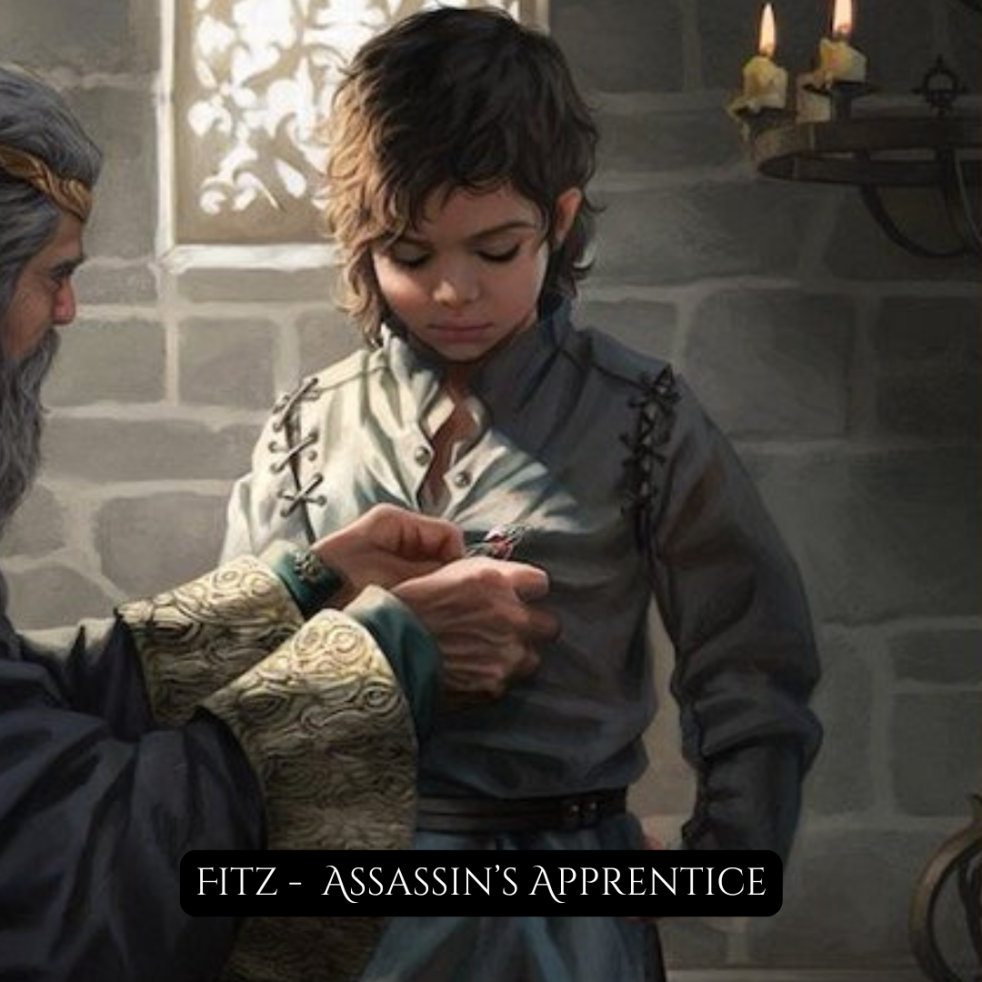


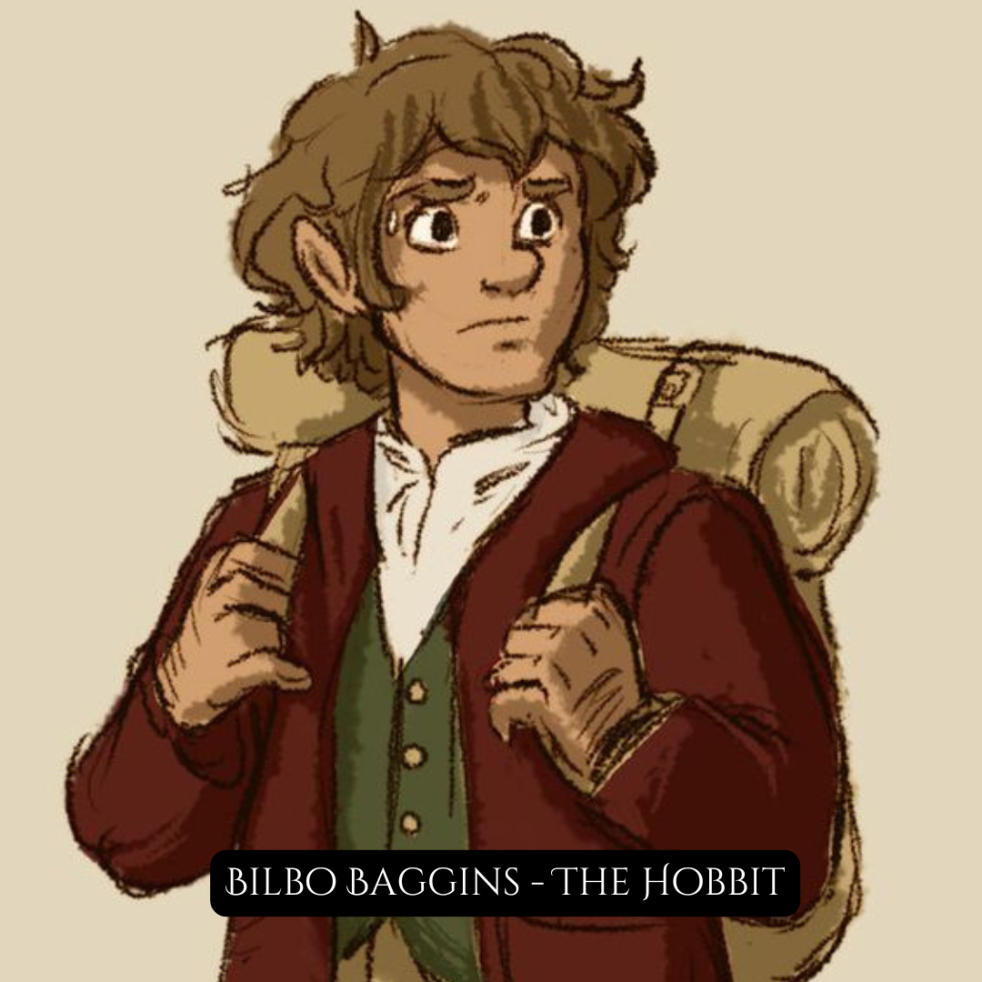
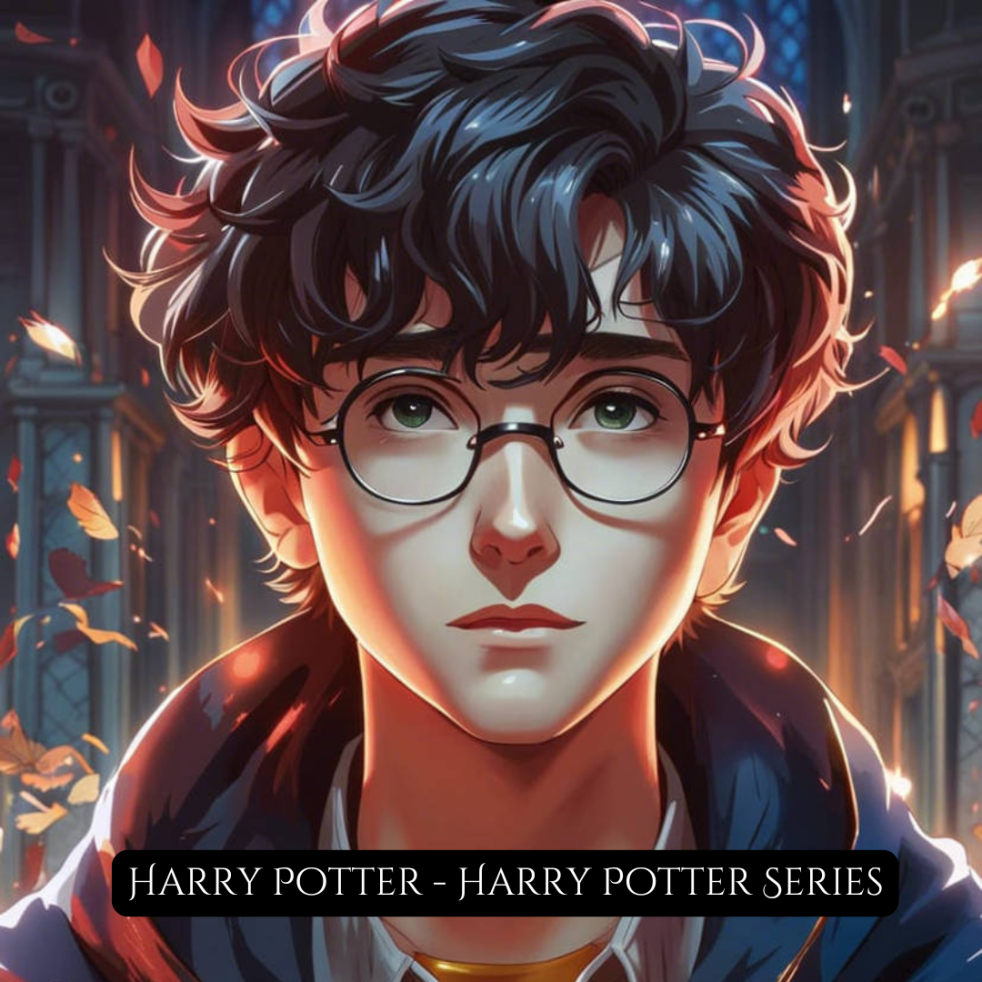
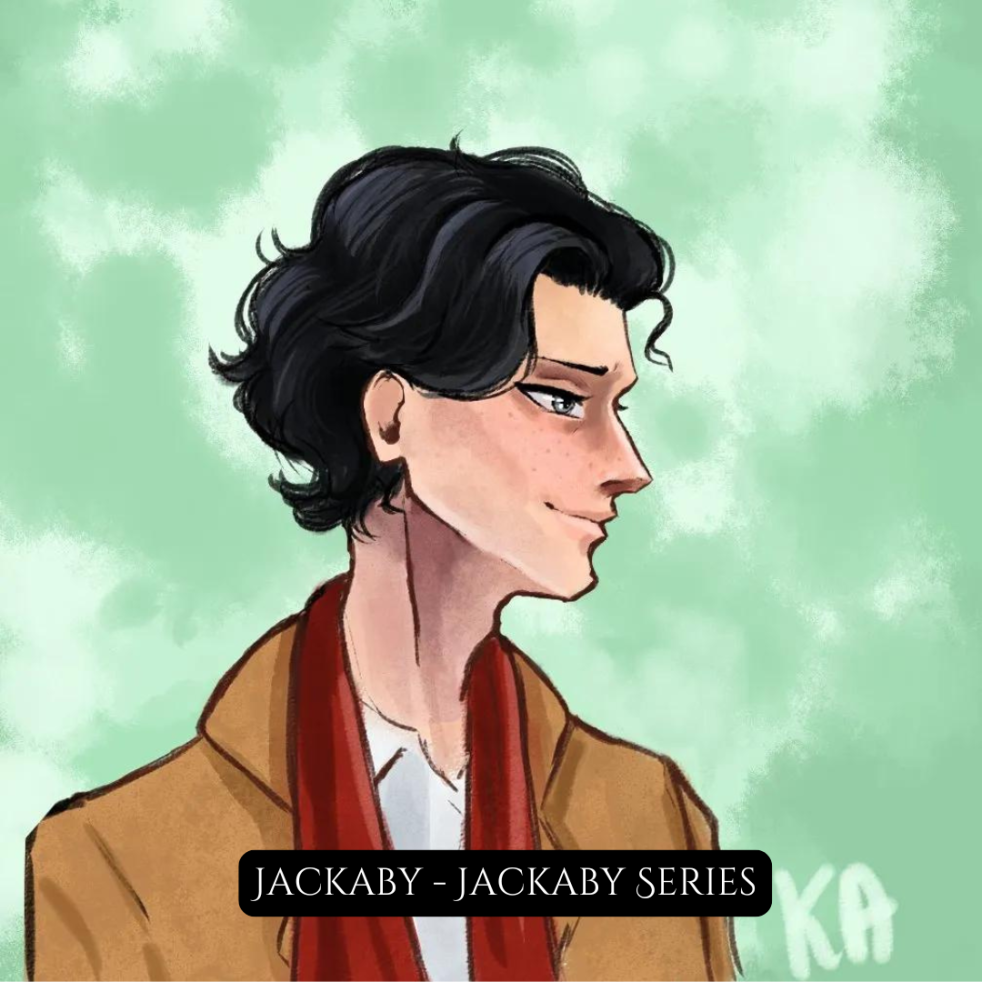
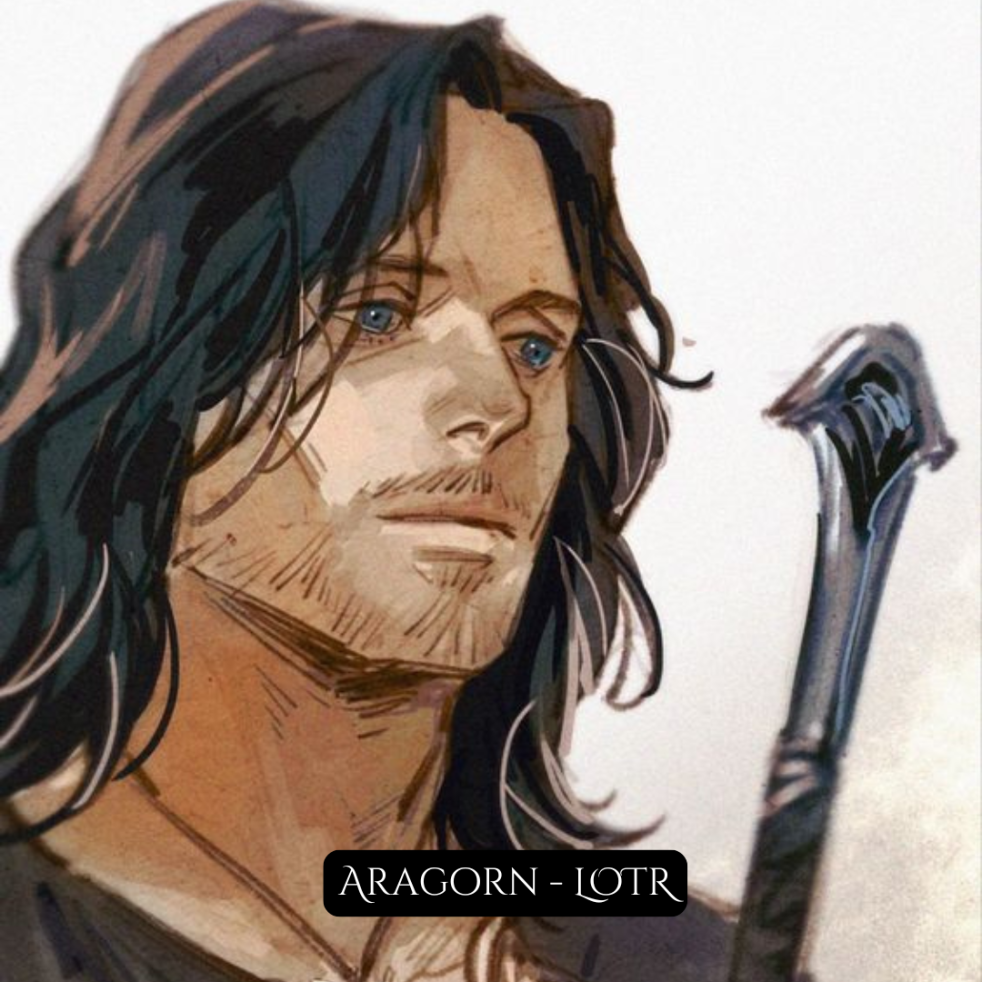
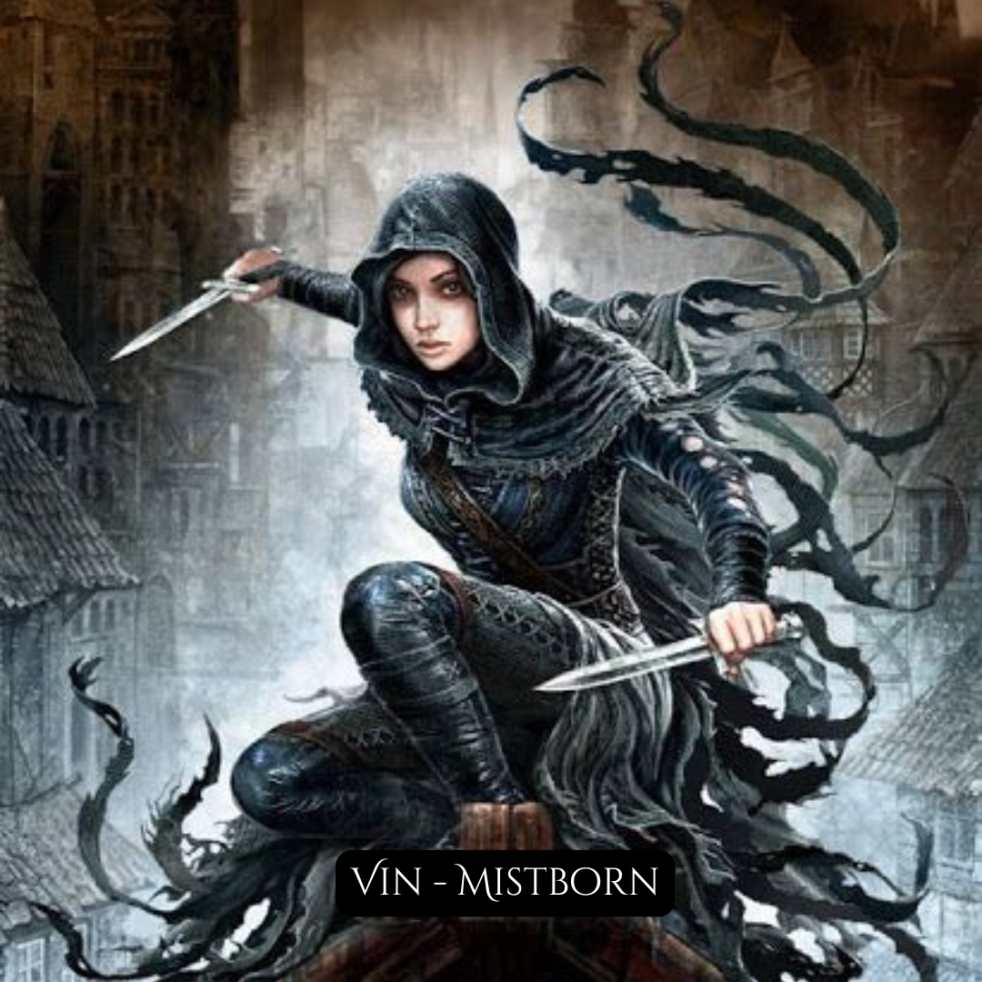
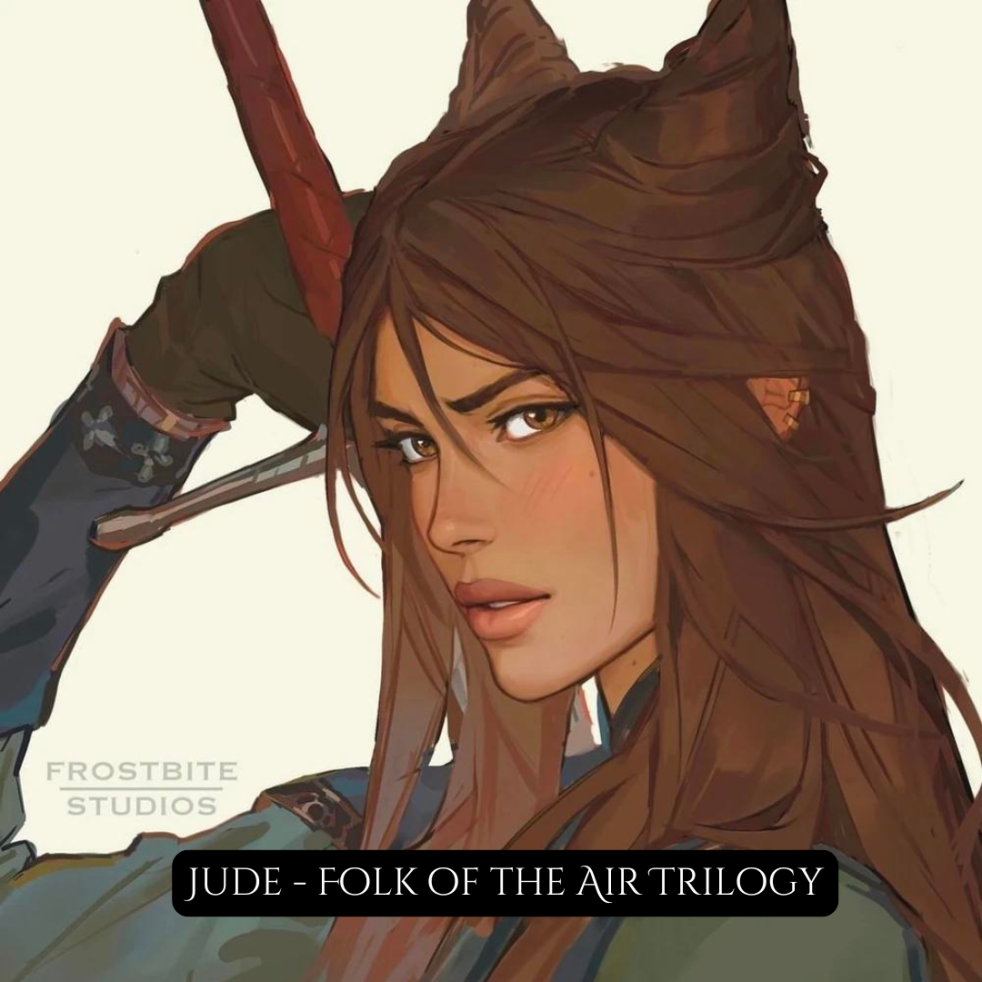
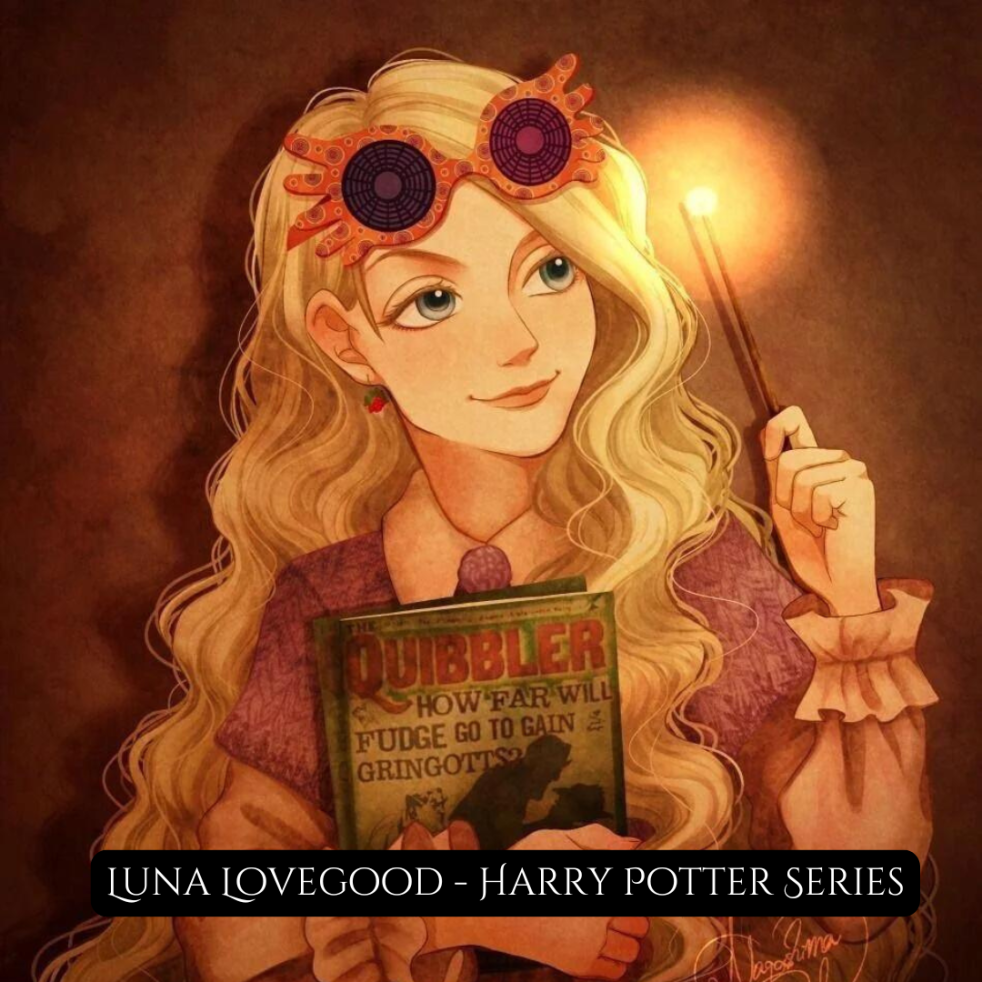
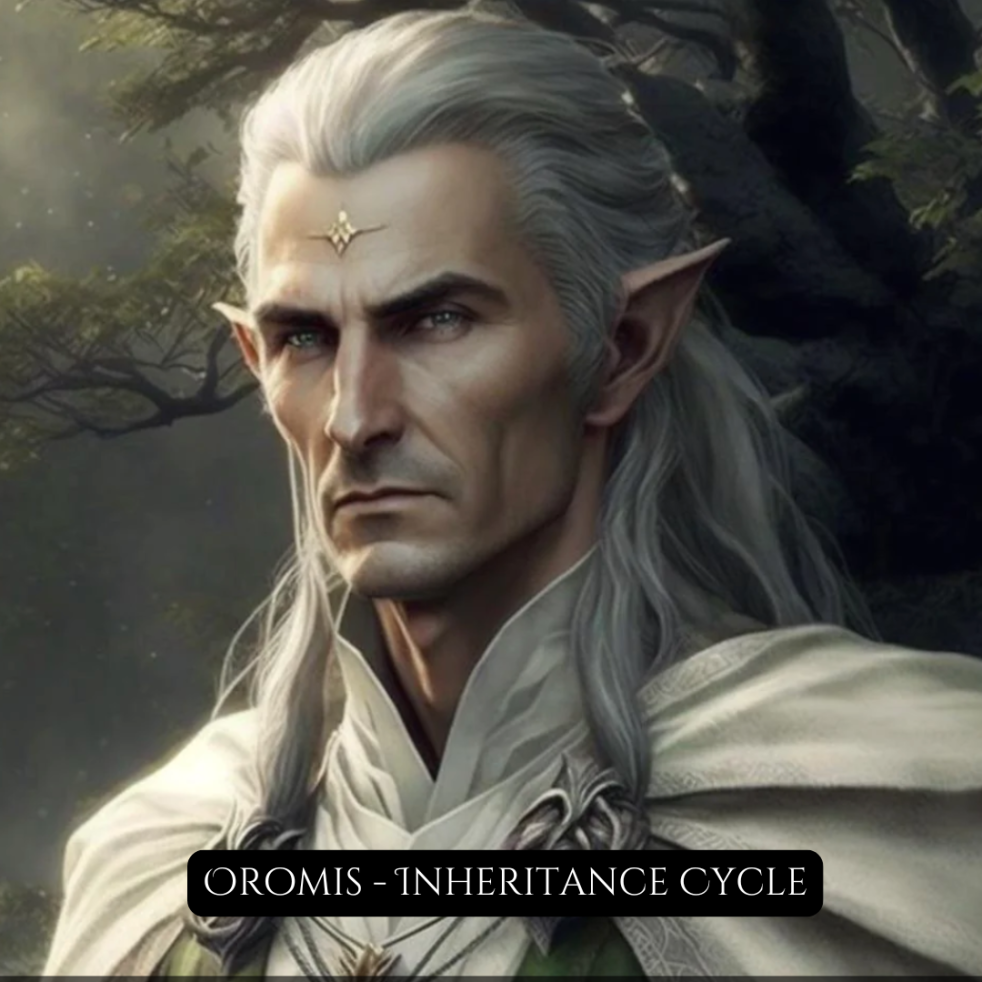
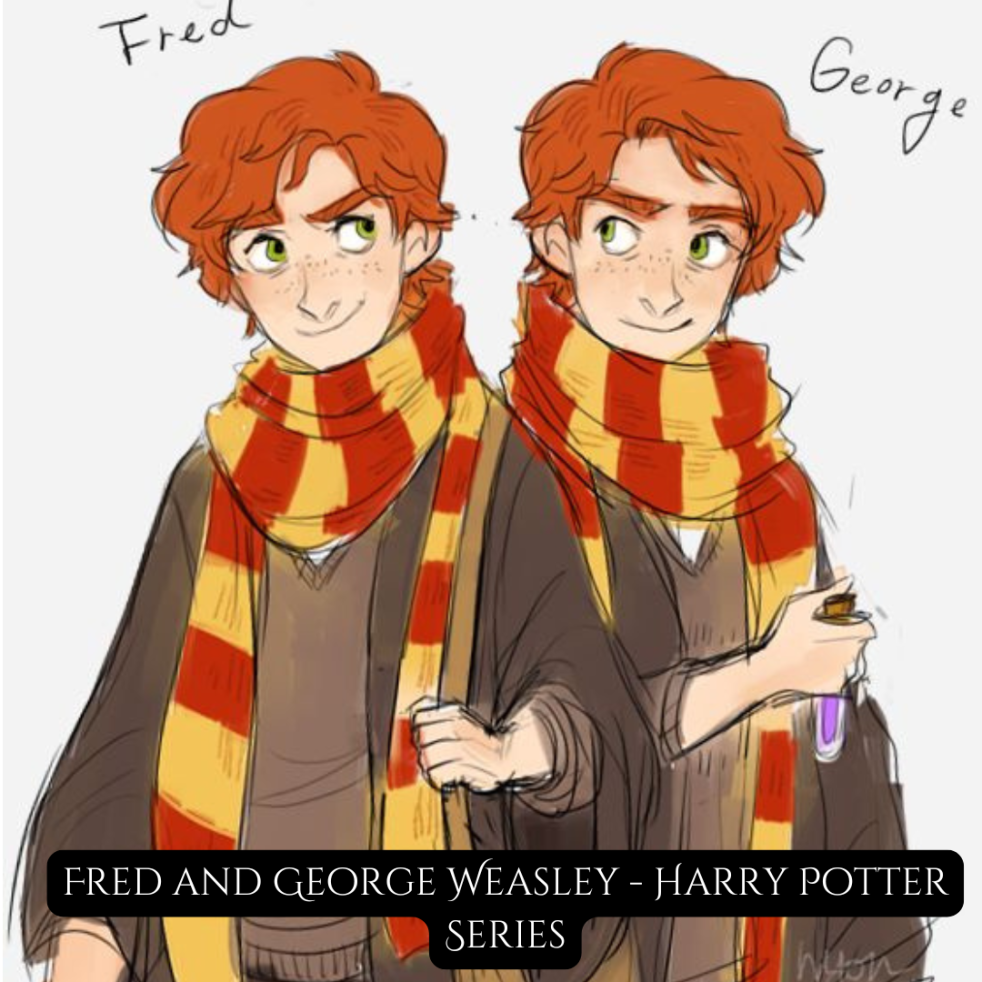
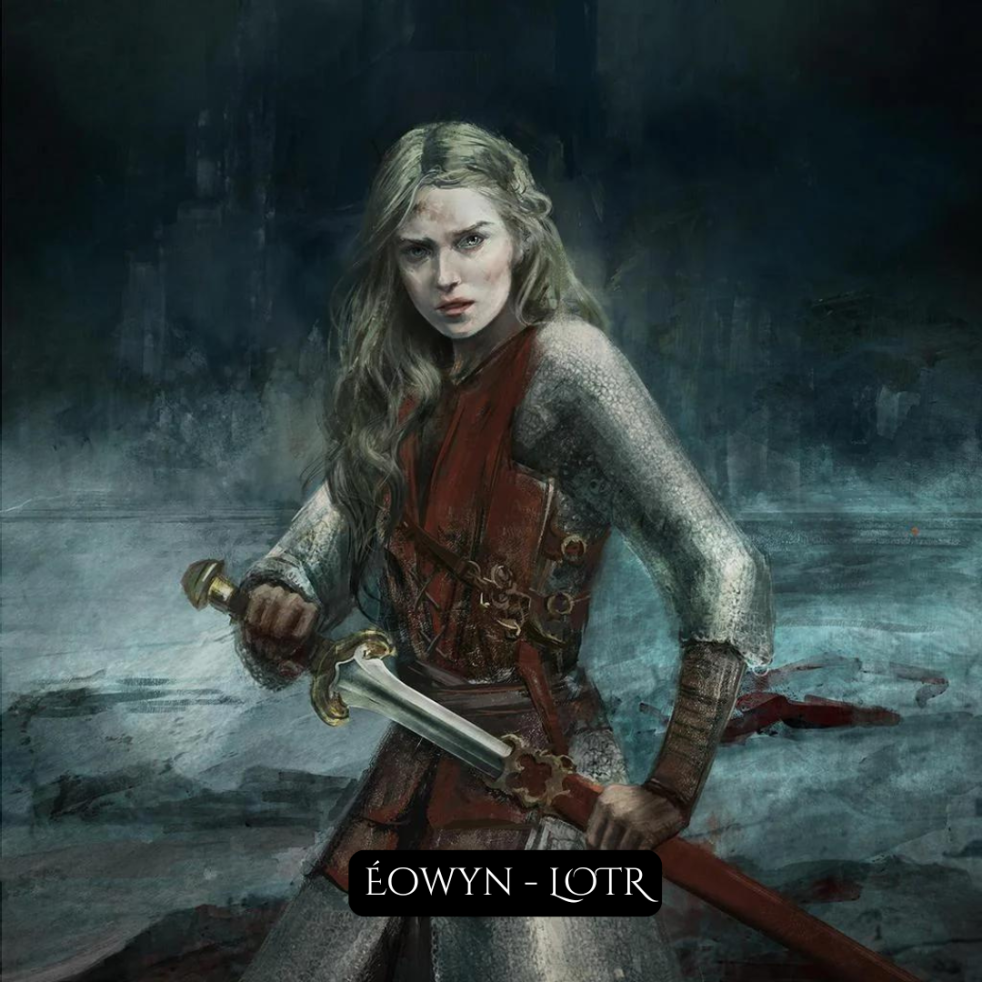
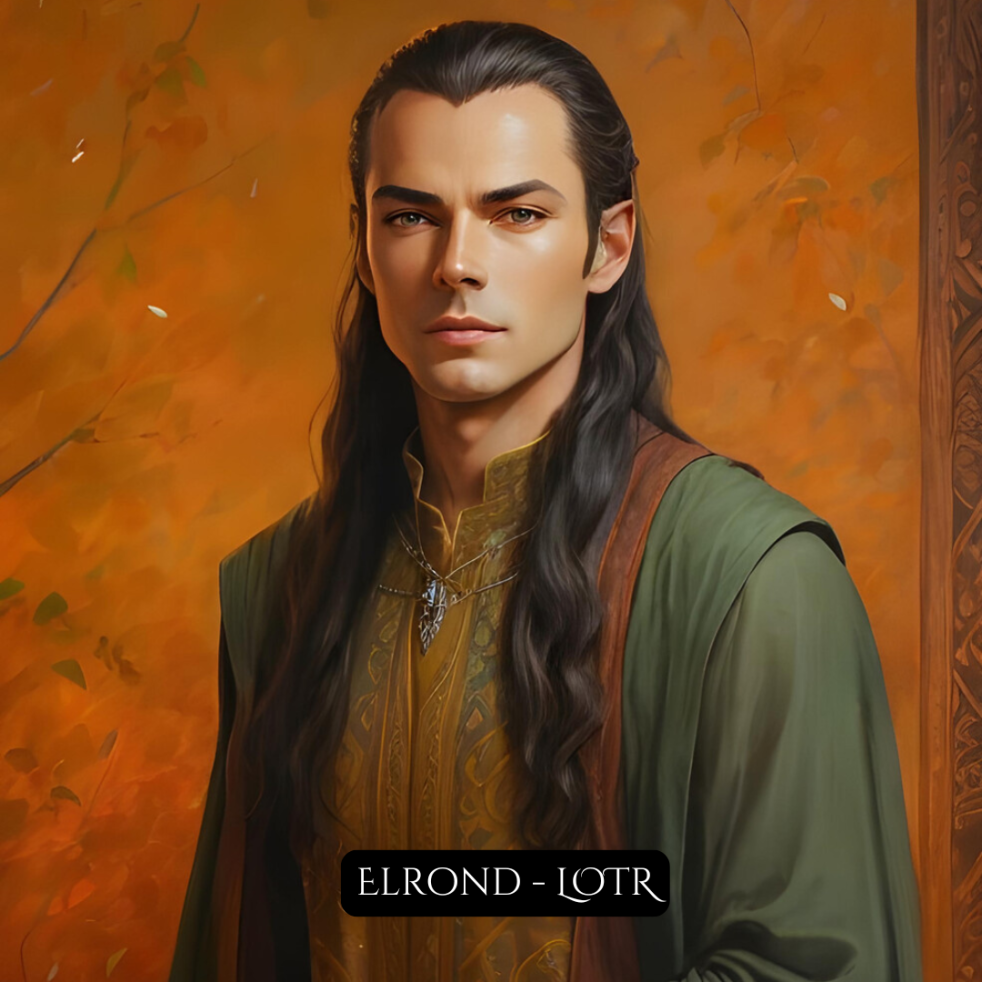
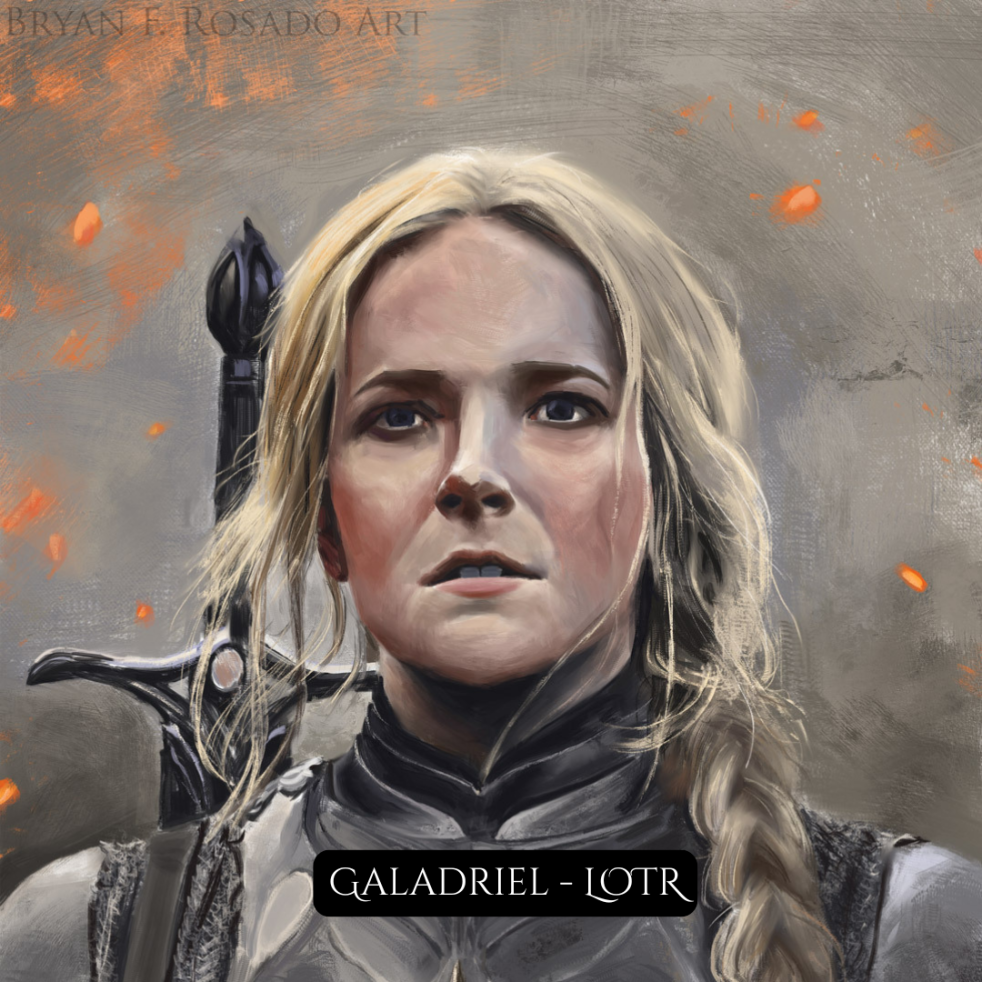
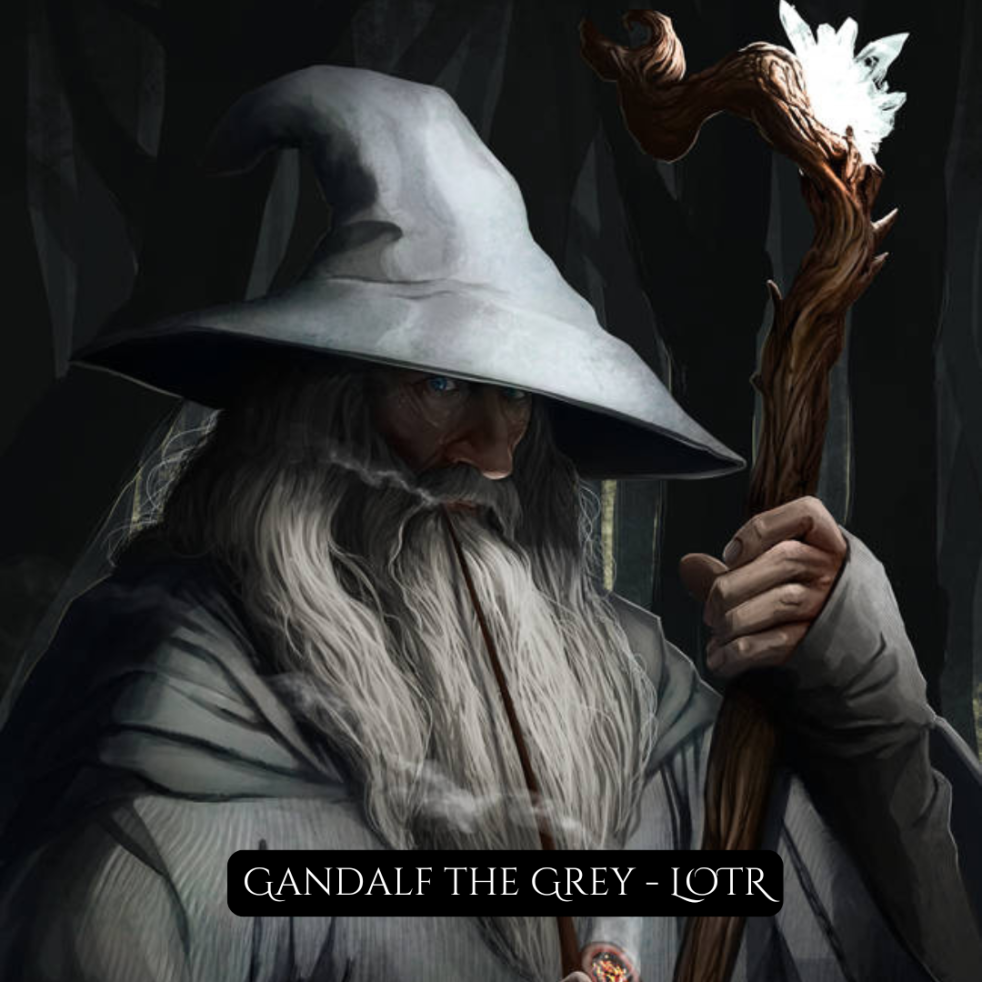
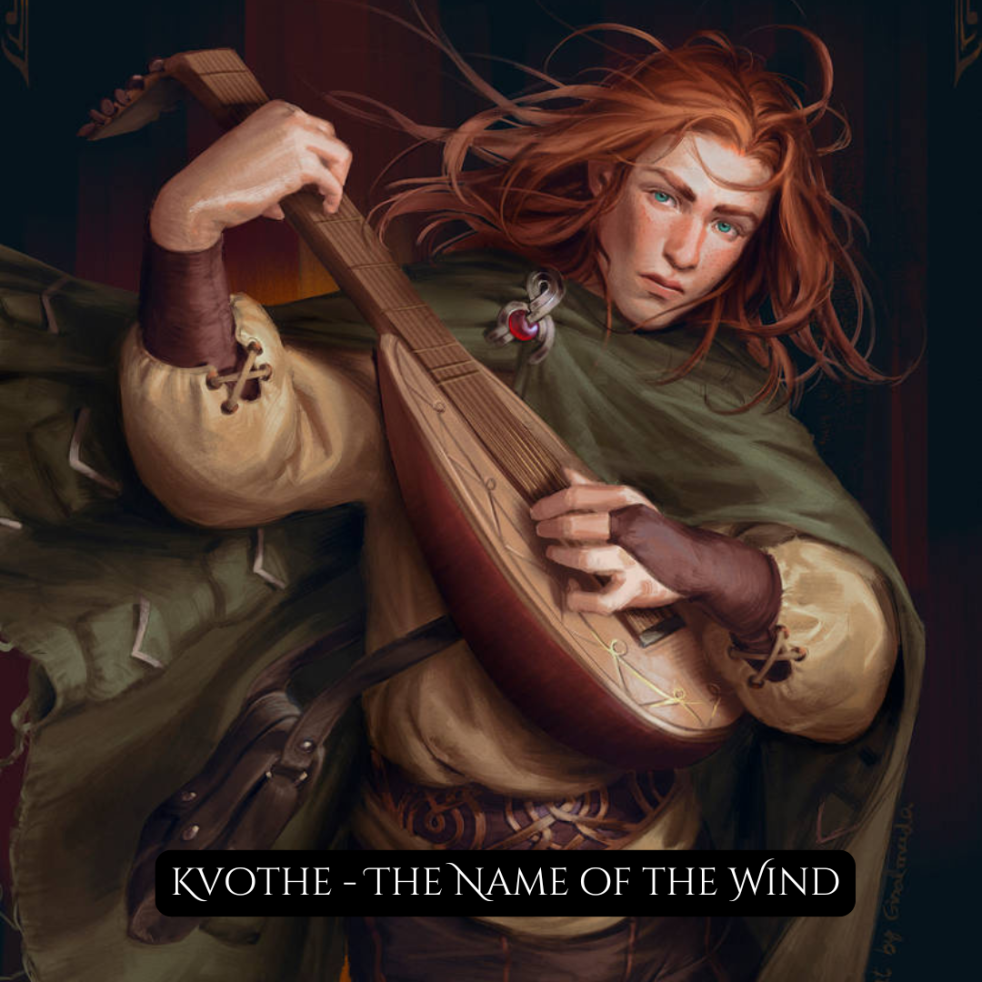
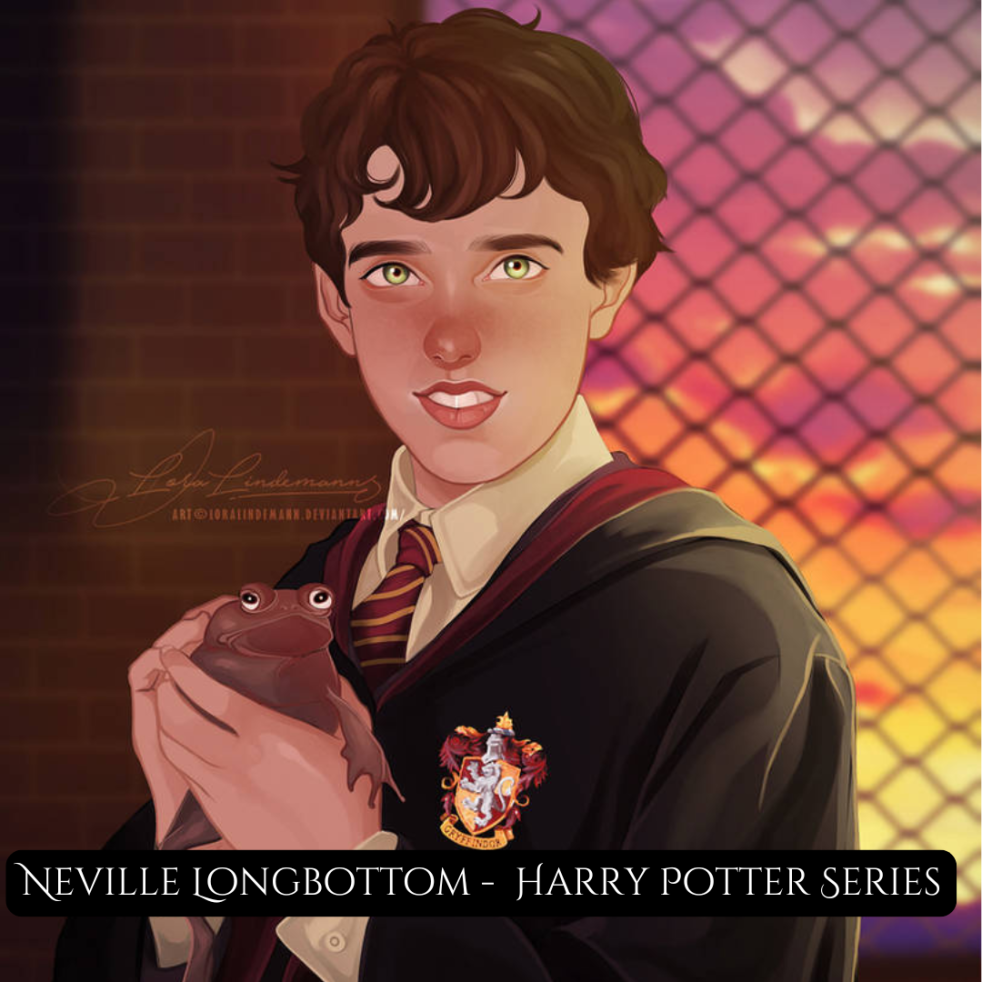
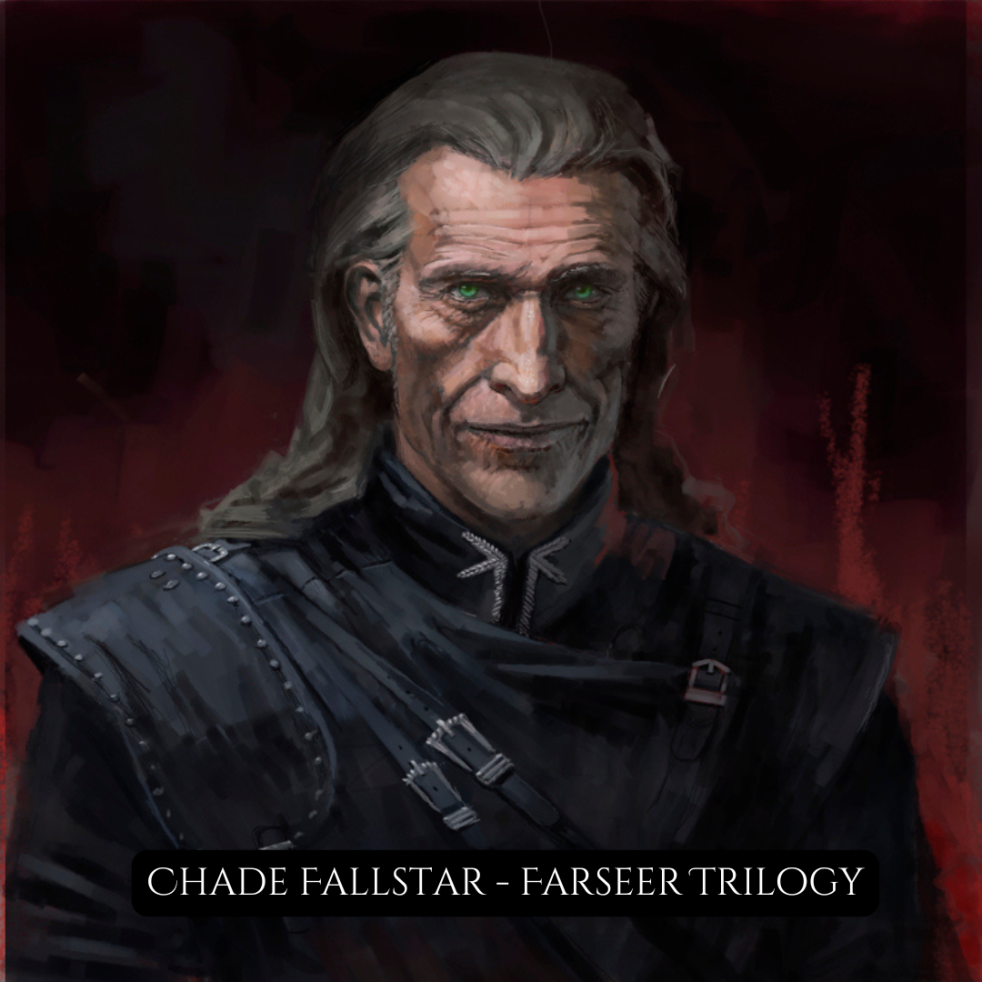
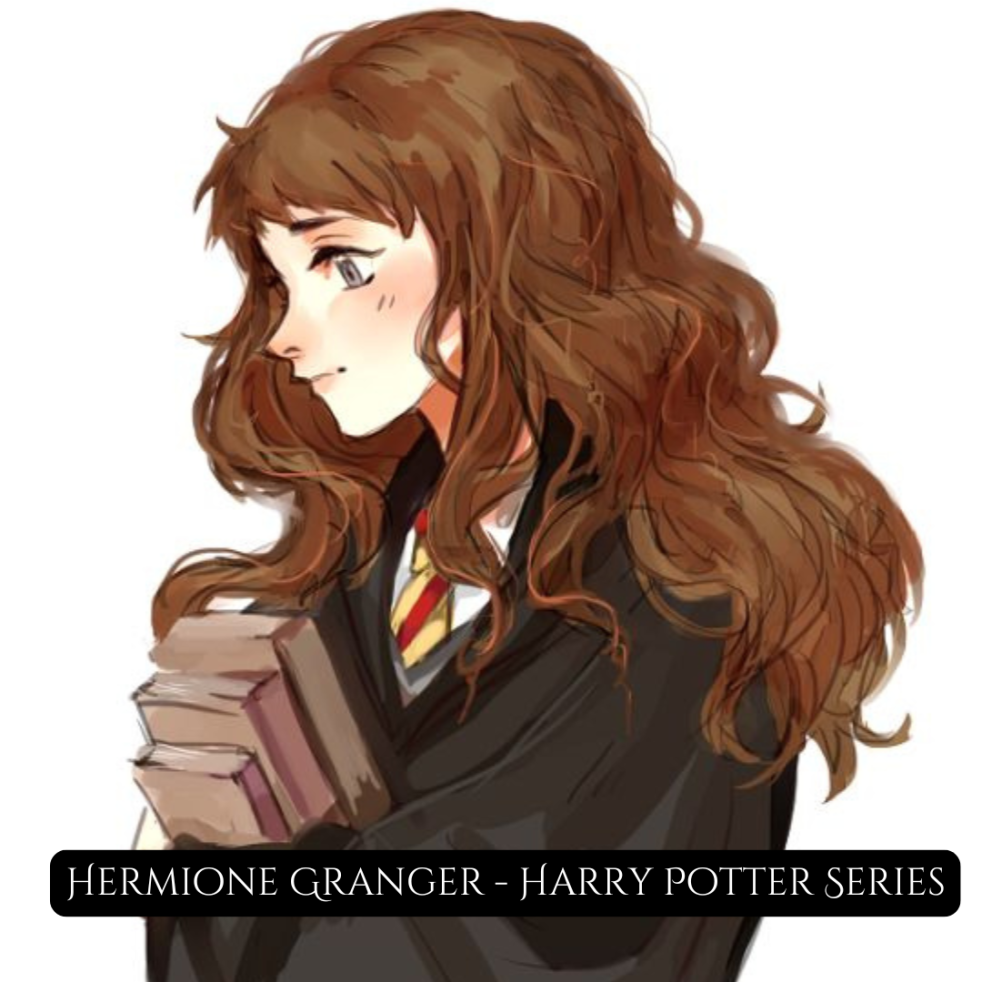
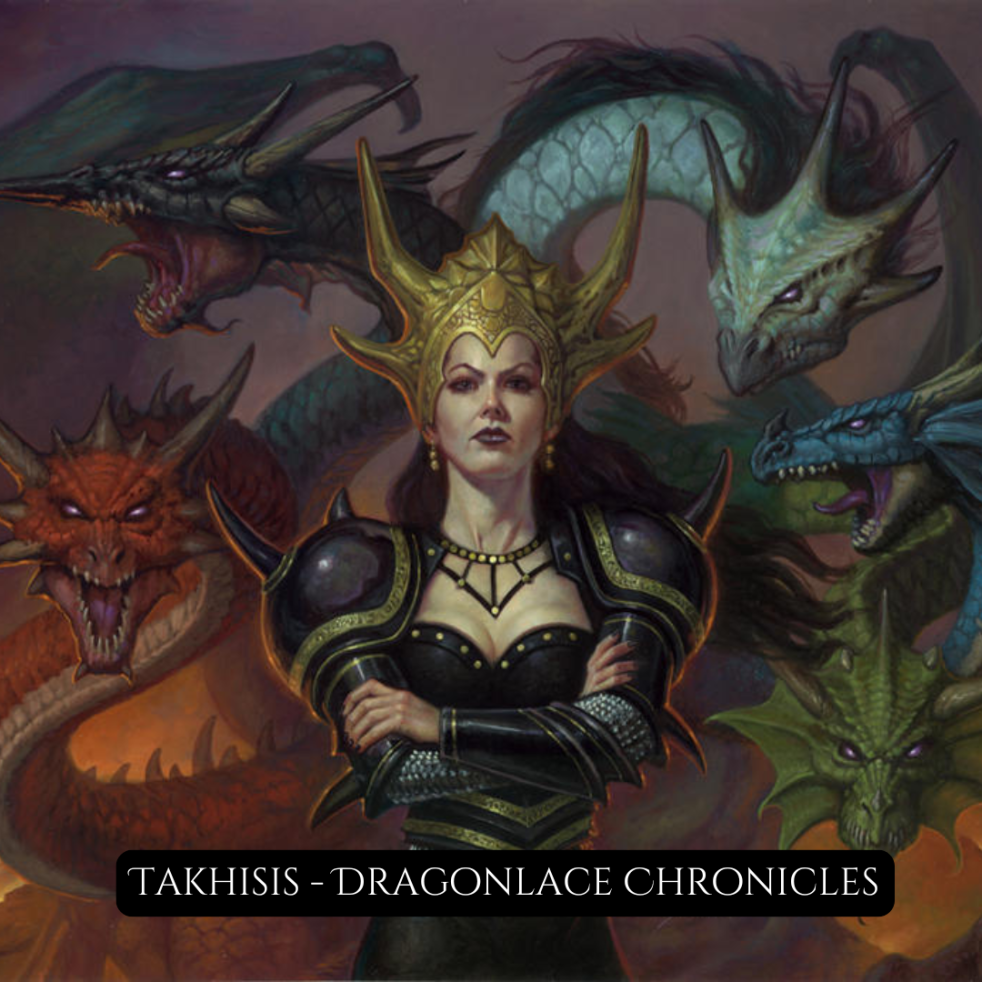
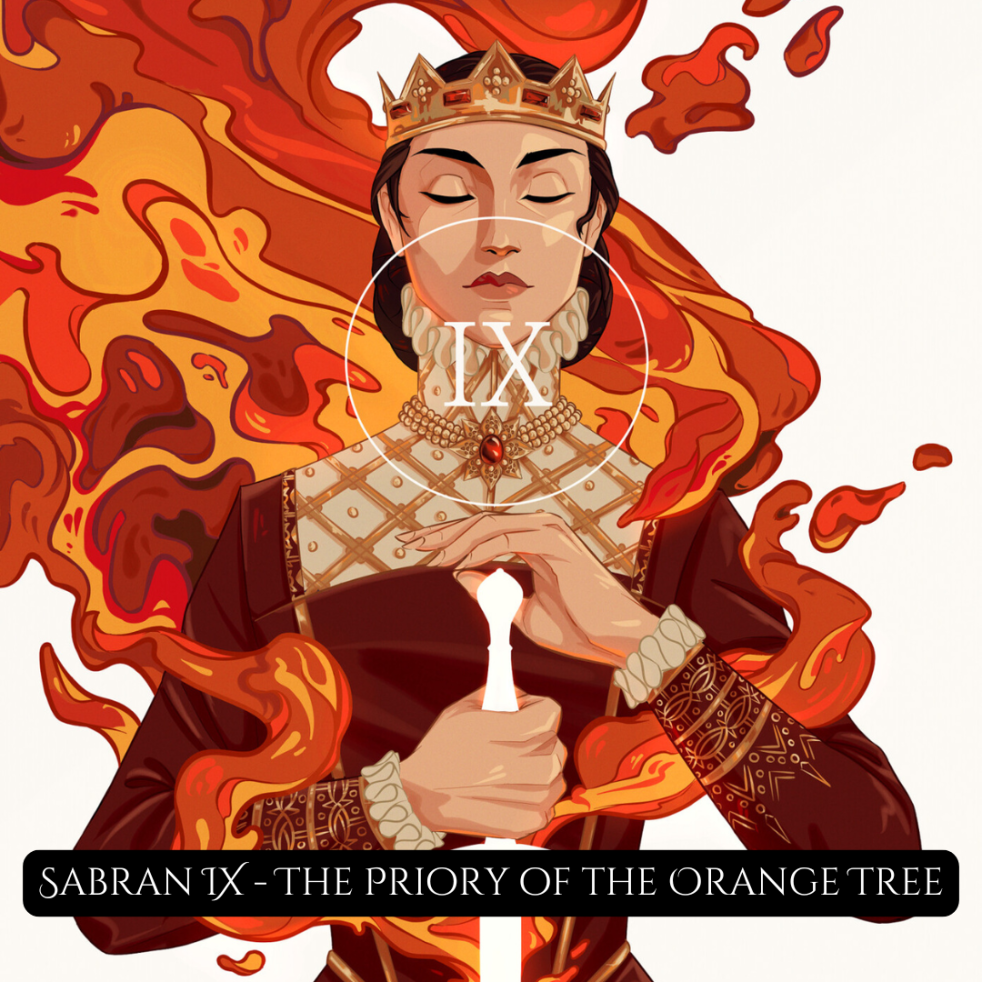
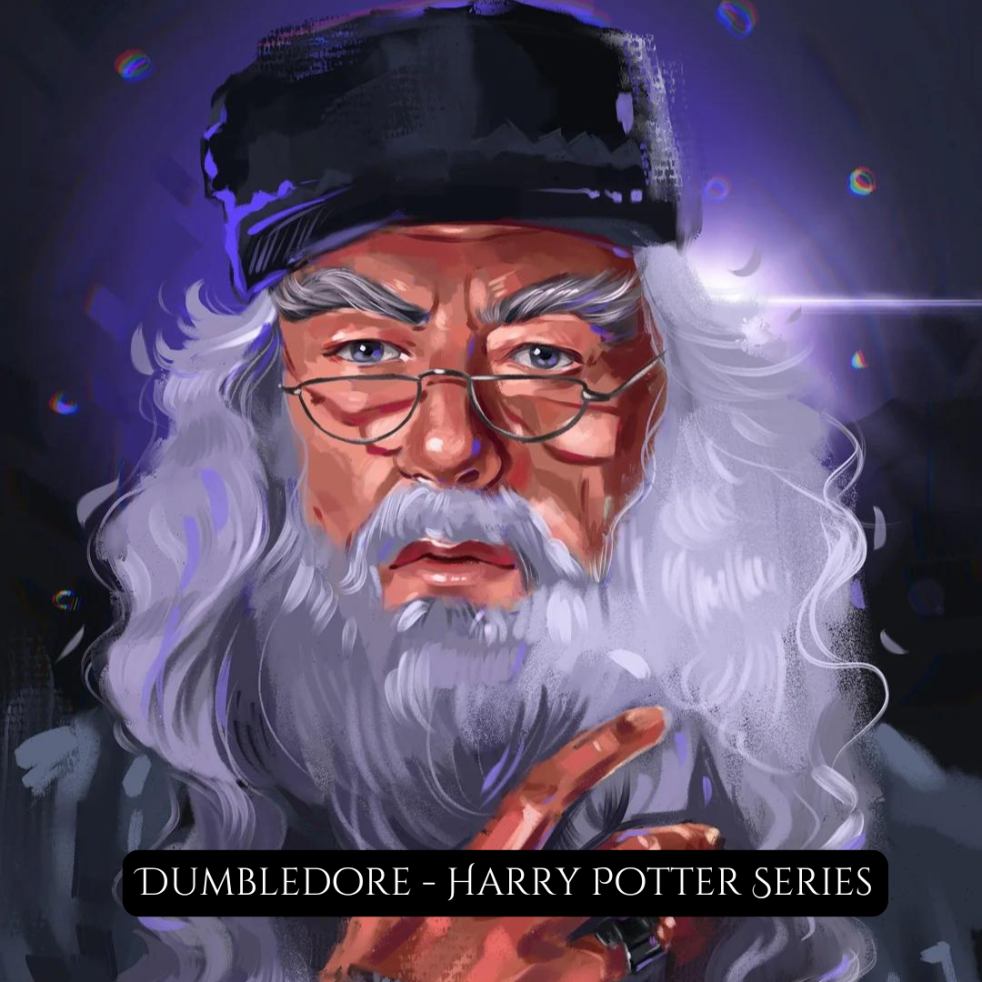
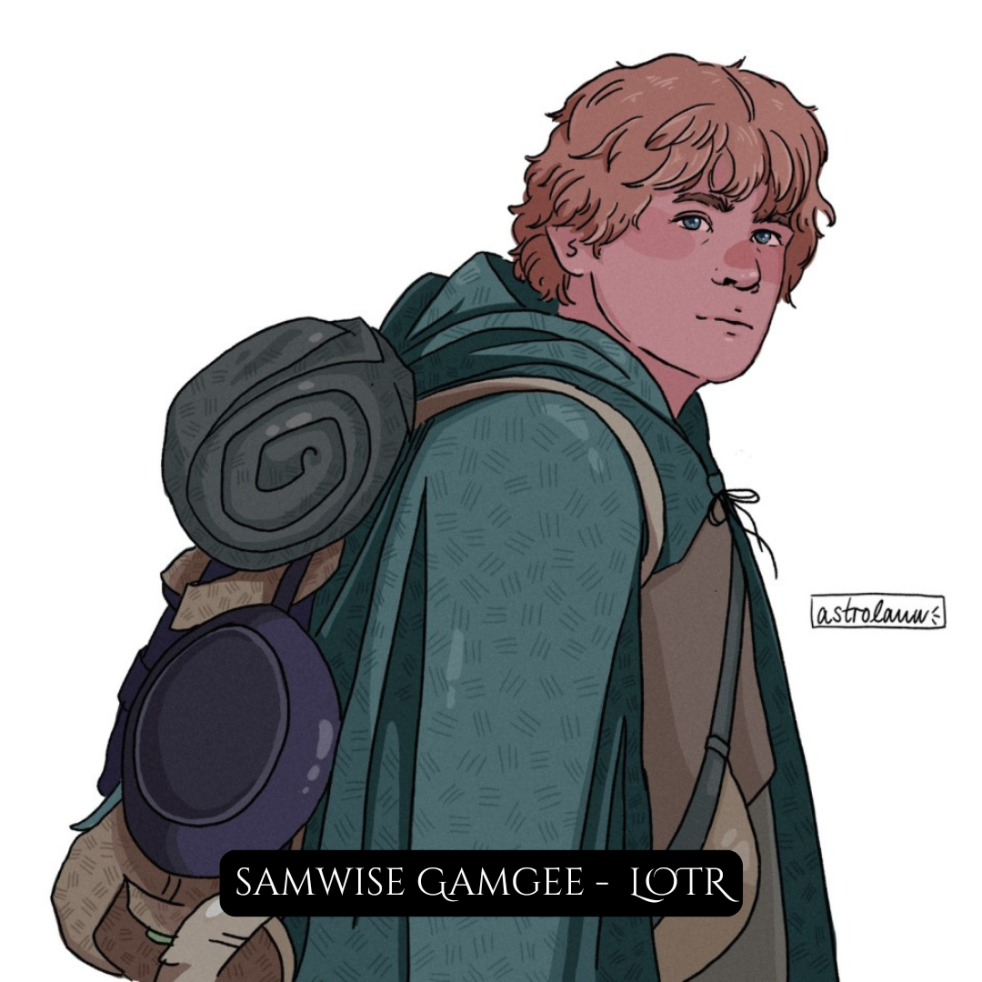
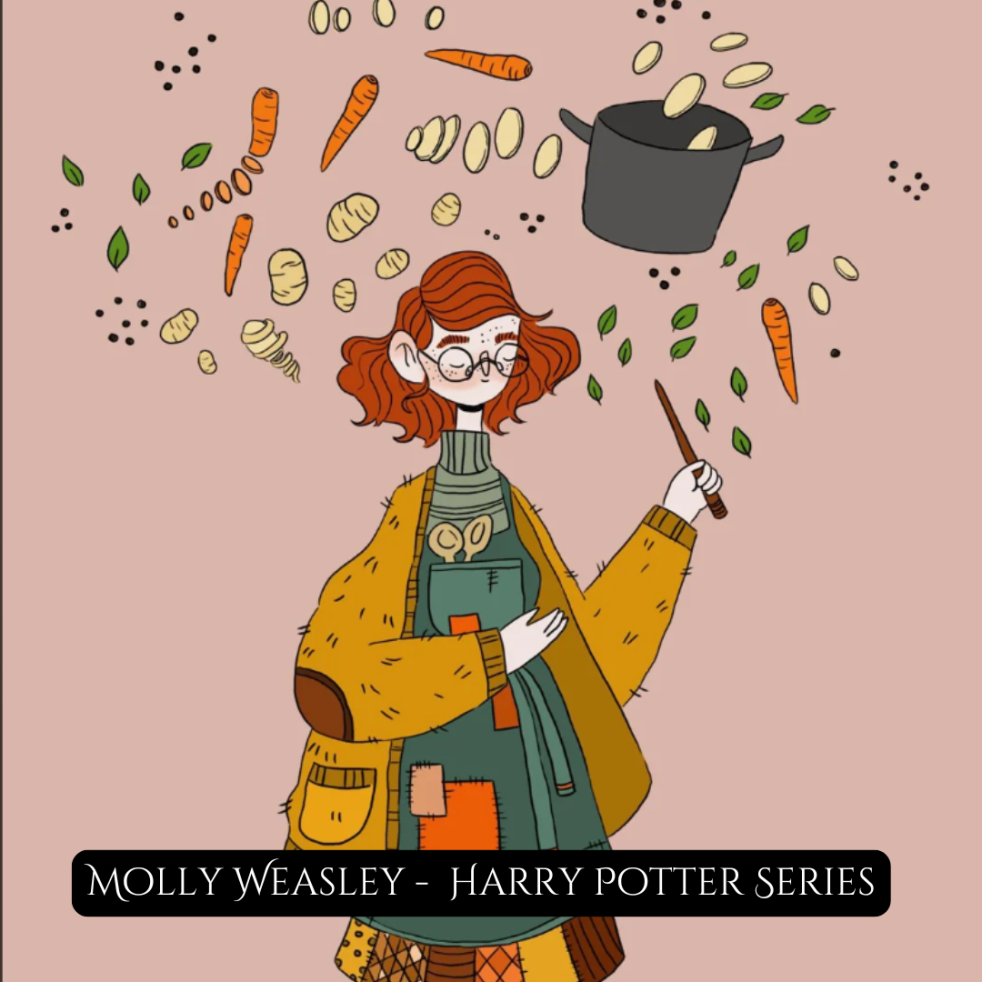
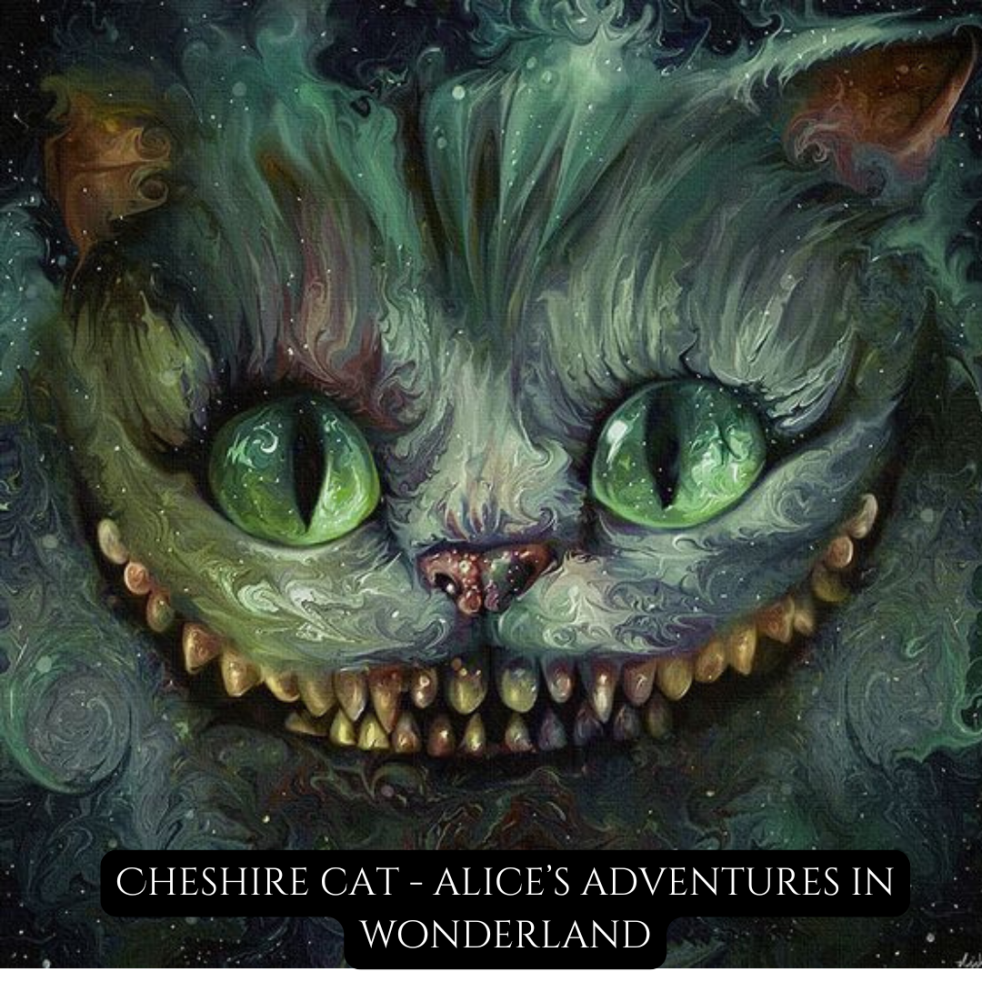
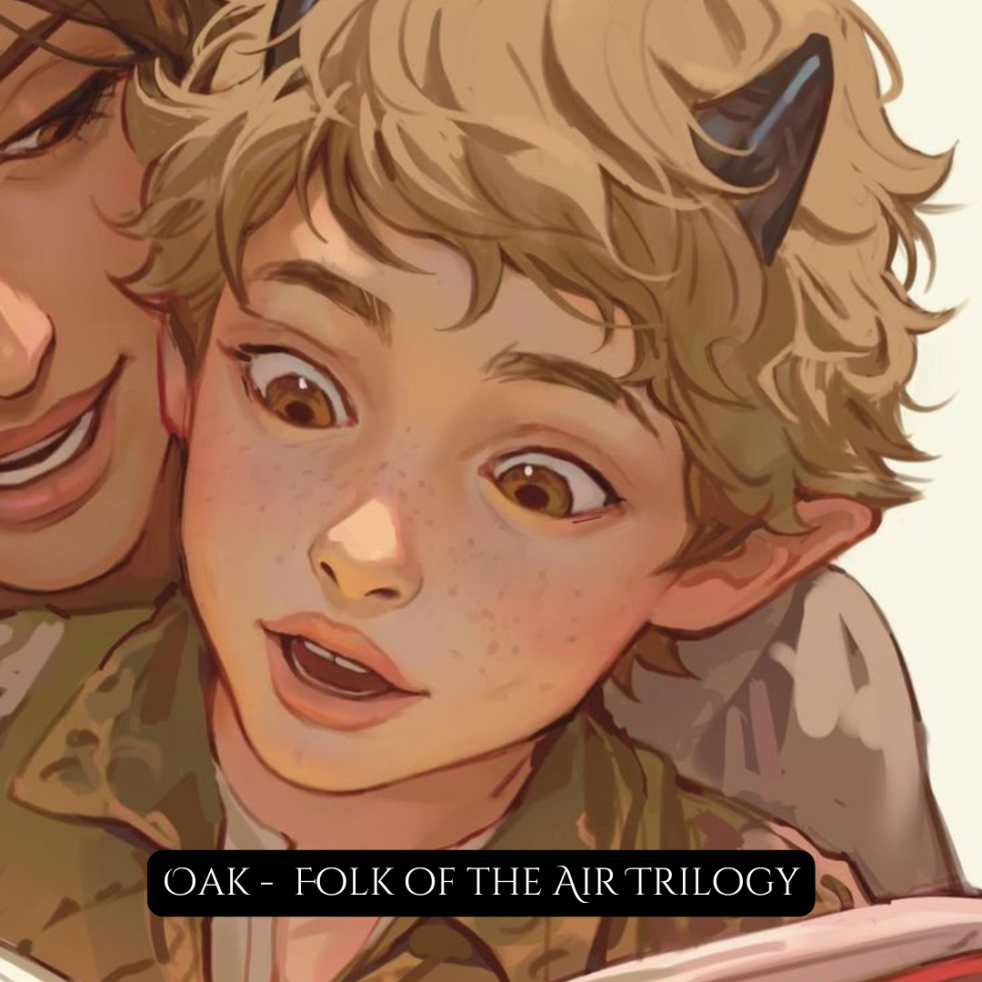
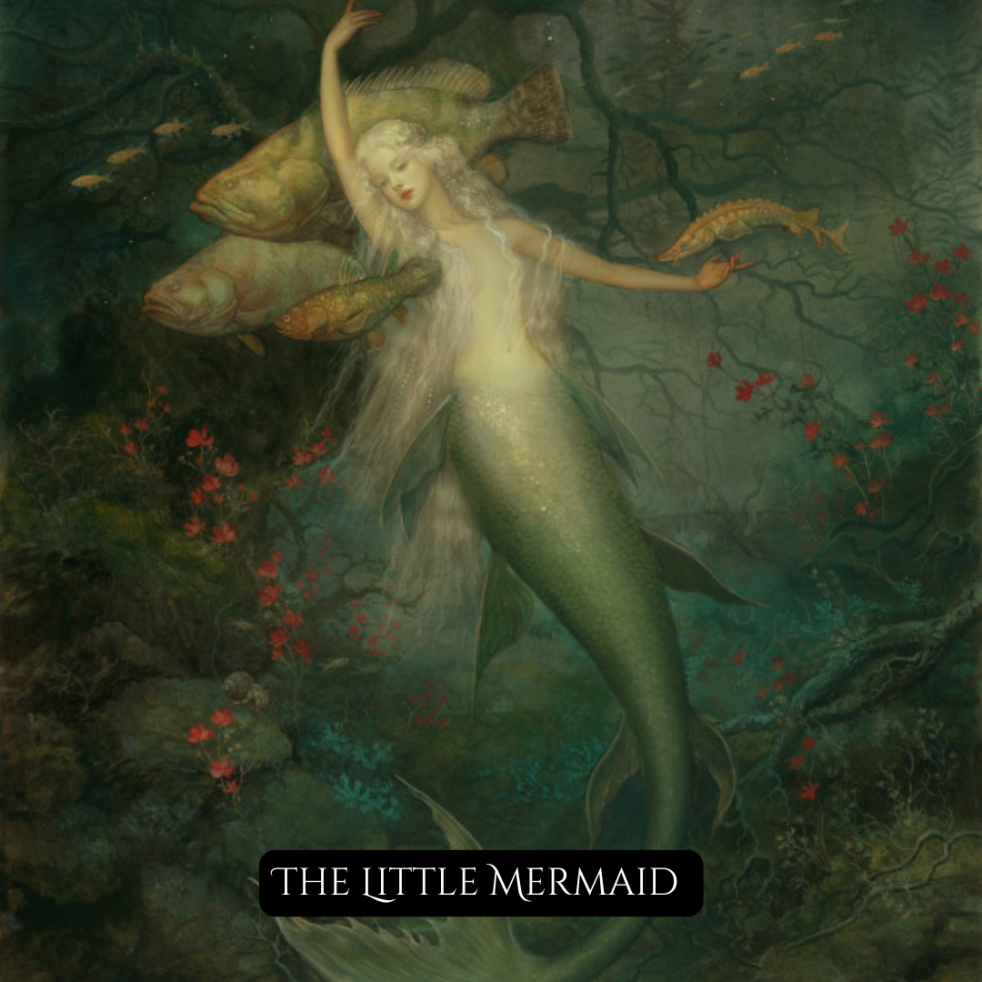
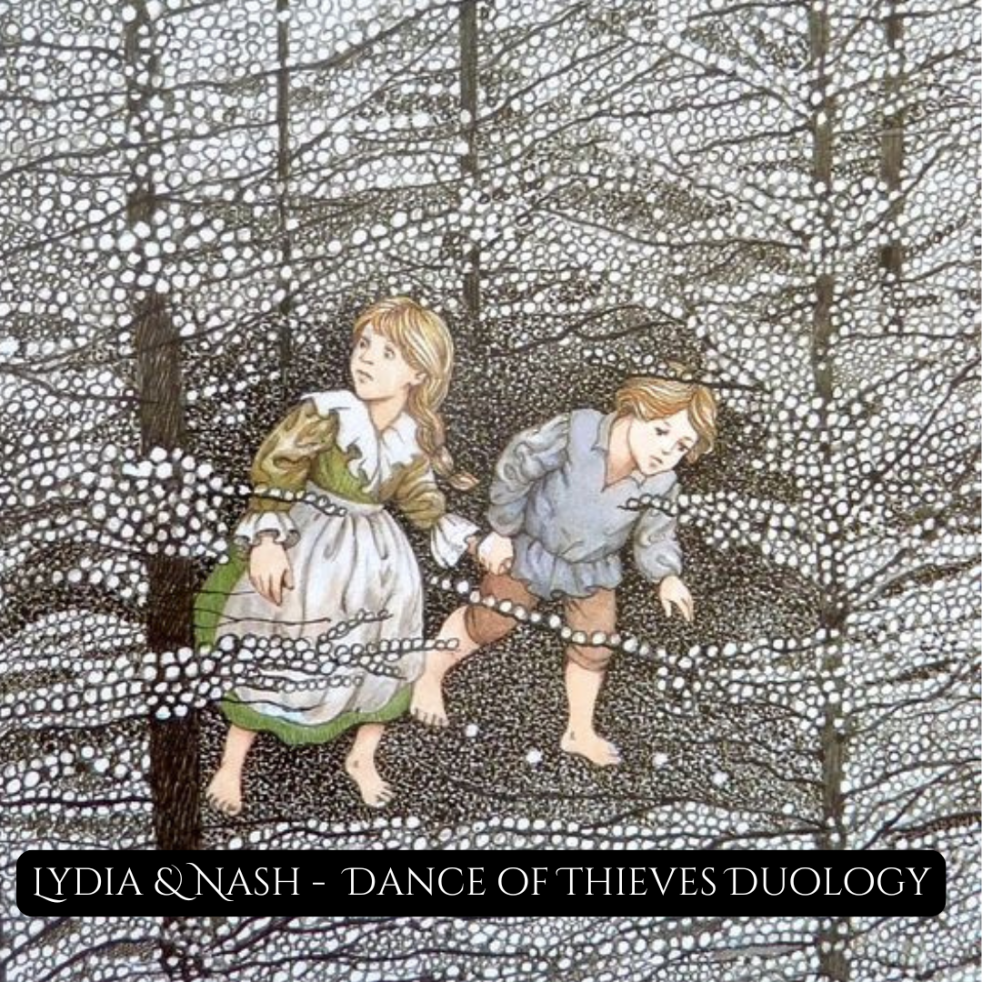
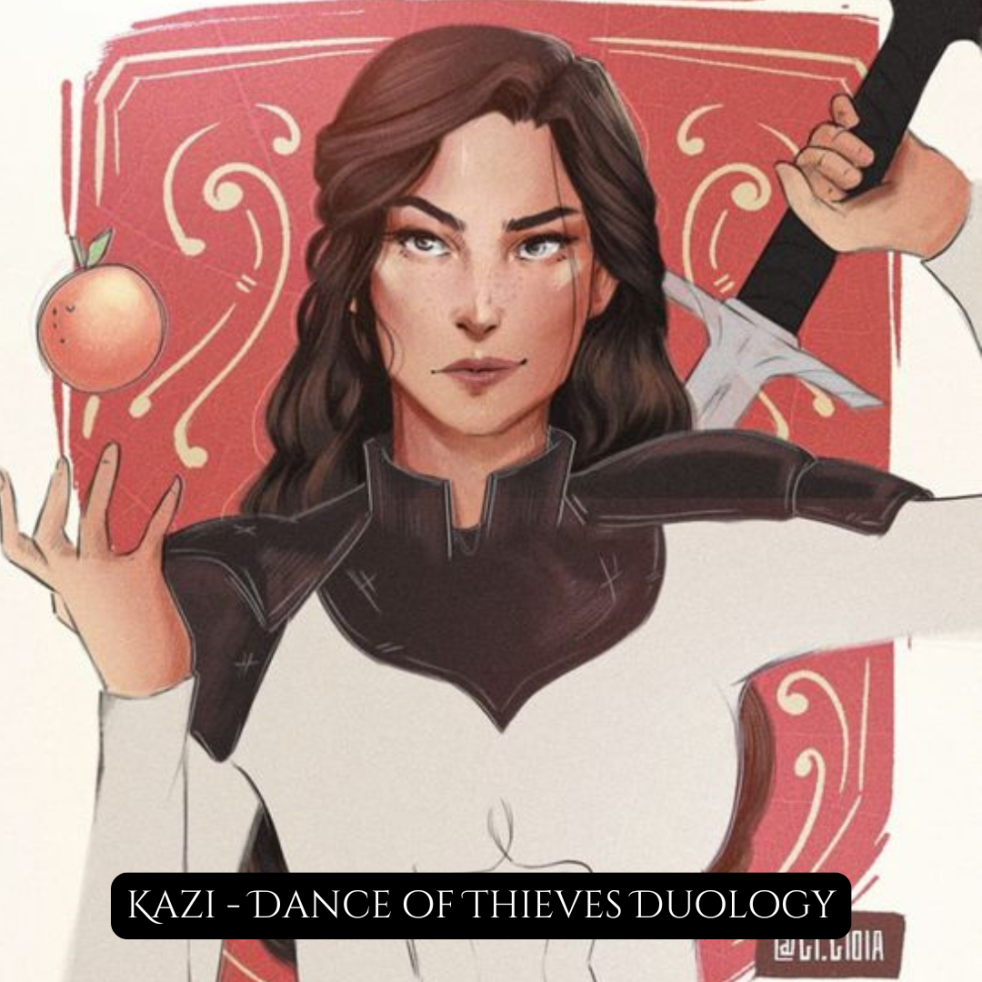
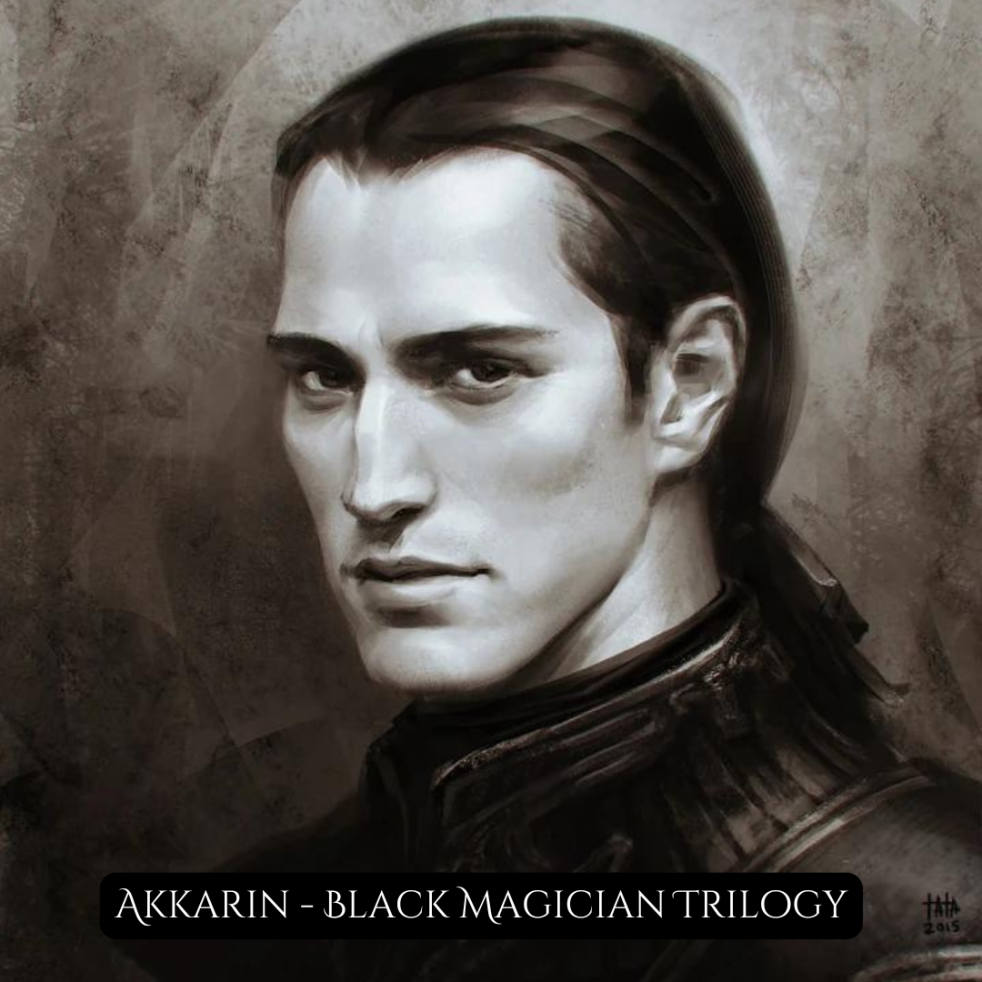
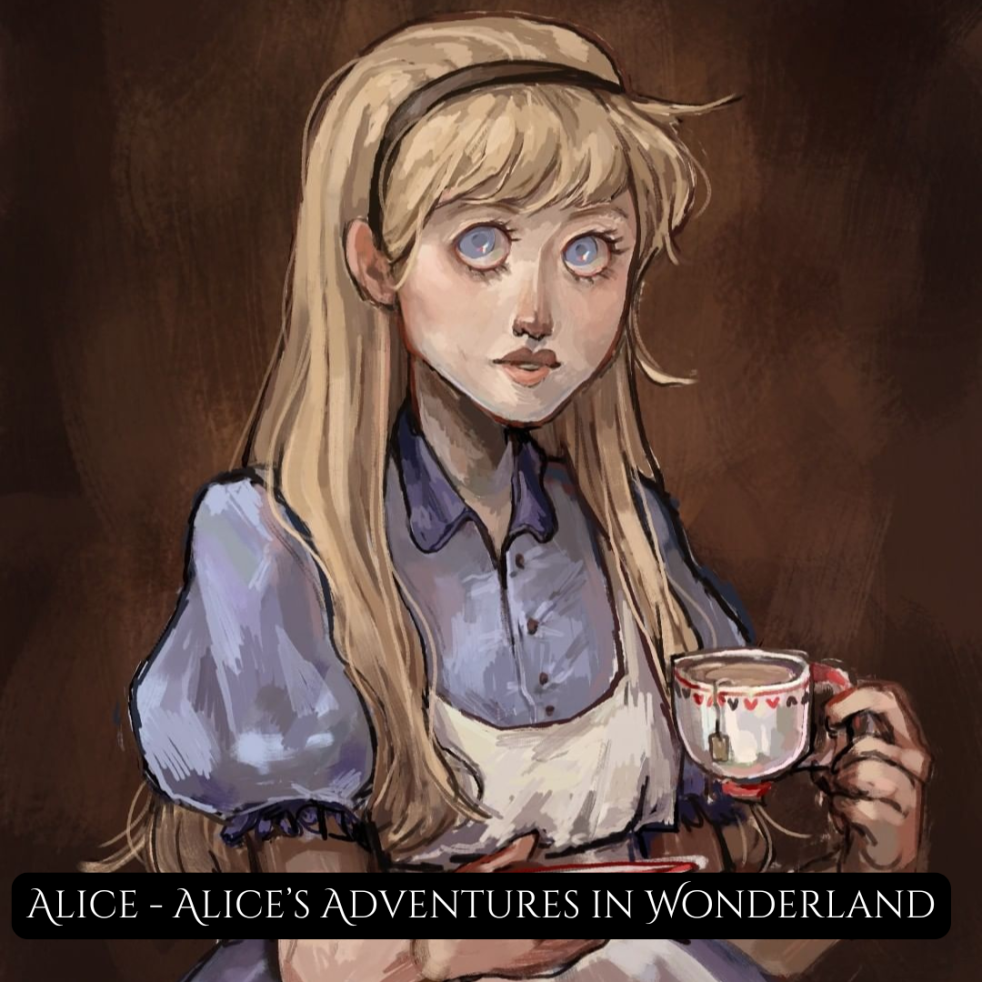
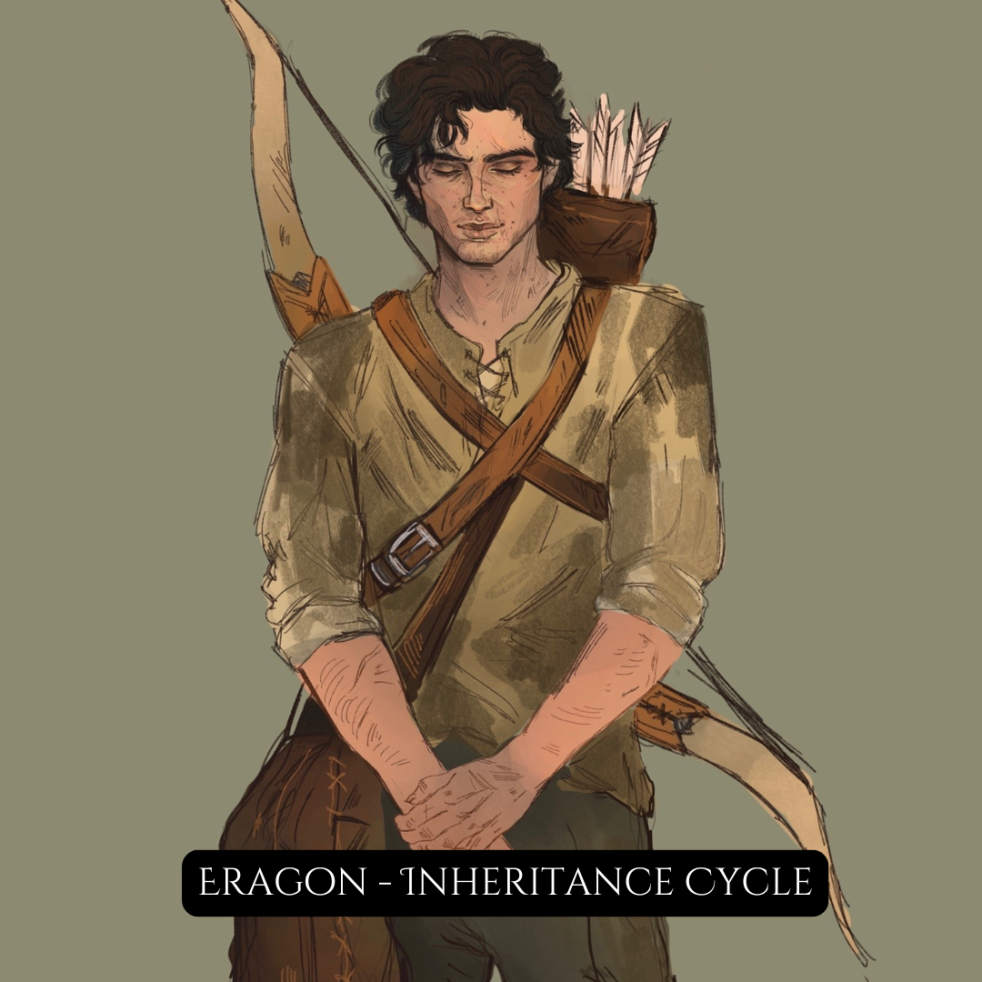
I have genuinely tried to choose my favourite archetype, but then I’m reminded of another of my favourite characters and their corresponding archetype, which in turn shifts my perspective once more. A tenuously slippery process, and never-ending.
So, I’ll hand over the baton of this conundrum and leave you with these questions: what’s your favourite archetype, and why? Is there an archetype that you never, ever enjoy – and why? Most important of all: what do these preferences indicate about you as a person and reader?
And with that, I shall bid you adieu and happy pondering!

Published by K.I.S.
A wandering South African who lives far from home, K.I.S. reads prolifically and writes sporadically to connect and disconnect in equal measure. An author of epic fantasy, short stories, and microfiction, you can find her debut novel, ‘The Assays of Ata’, on Amazon and Barnes & Noble.